Introducing the Retropolis Devlog
Welcome to the Retropolis development blog. We're building a cyberpunk location-based strategy game, and this is where we'll share the technical journey.
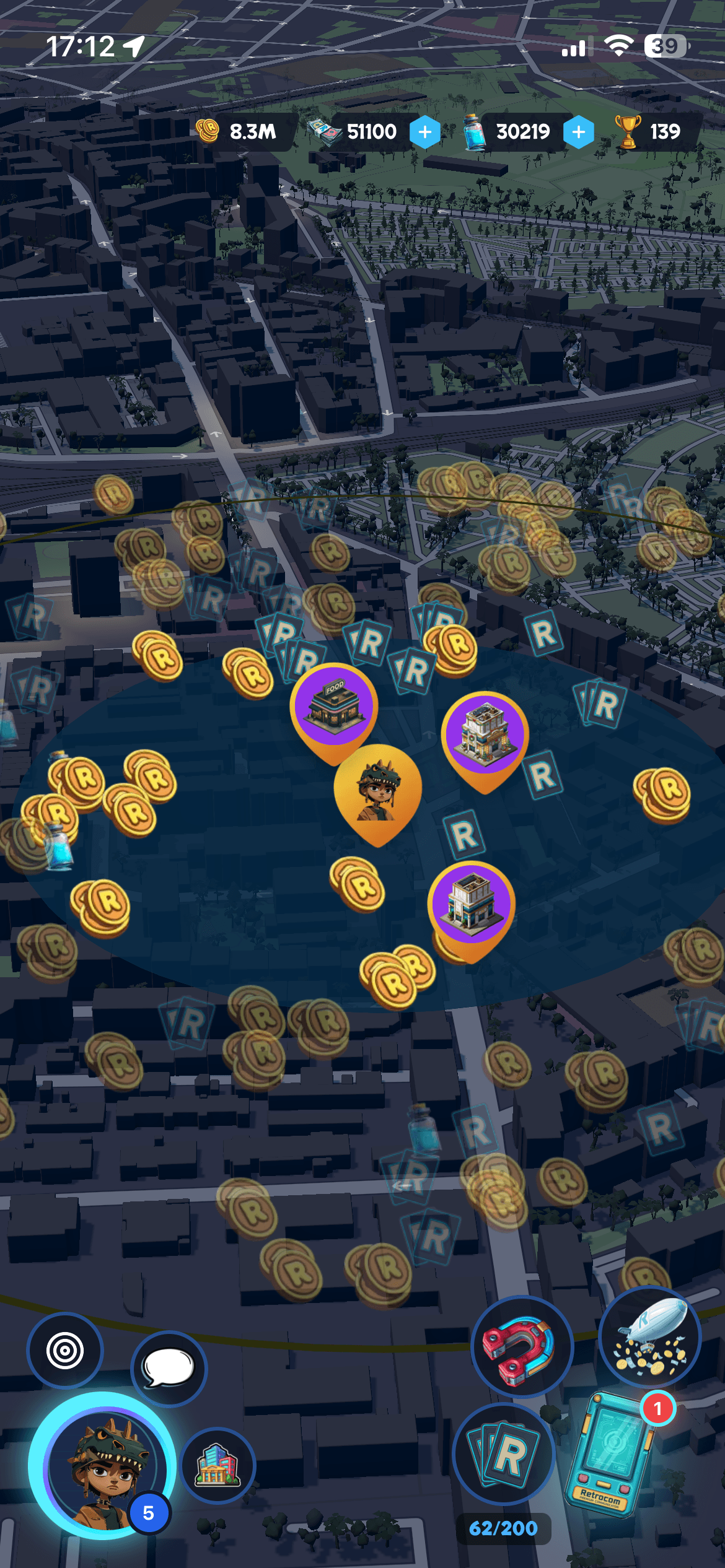
What is Retropolis?
Retropolis is a location-based mobile strategy game set in a cyberpunk world that overlaps with your real city. You explore real streets, claim territories, build your crew, craft gear, and fight for dominance — all from your phone.
Think of it as a mashup of the territorial ambition of a grand strategy game, the item depth of an ARPG like Path of Exile, and the real-world exploration of a geolocation game — wrapped in a neon-soaked cyberpunk aesthetic.
Why a Devlog?
We're a small studio building something ambitious. This devlog is where we'll pull back the curtain on how Retropolis actually works — the architecture decisions, the game design trade-offs, and the technical problems we solve along the way.
Here's a taste of what's coming:
- Backend architecture — How we use Go, Firestore, PostgreSQL, and Redis together to power a real-time multiplayer game
- Location-based game design — The unique challenges of building a game where the map is the real world
- Item system deep dive — Our affix rolling, stability mechanics, and crafting system inspired by ARPGs
- Card combat mechanics — How we designed a strategic card system for gang warfare
- Territory control — Real-time influence calculations across thousands of zones
- Mobile development — Building with React Native and Expo for both Android and iOS
The Tech Stack
For the curious, here's what powers Retropolis:
- Game server: Go with Fiber, running on Cloud Run
- Databases: Firestore for player data, PostgreSQL for geospatial queries, Redis for caching and rankings
- Mobile app: React Native with Expo
- Web: Next.js for our website and admin console
- Background jobs: Asynq task queue for async game events
Stay Tuned
We'll be publishing new posts regularly. If you want to follow along, bookmark this page or join our Discord community where we share updates first.
Welcome to the grid.